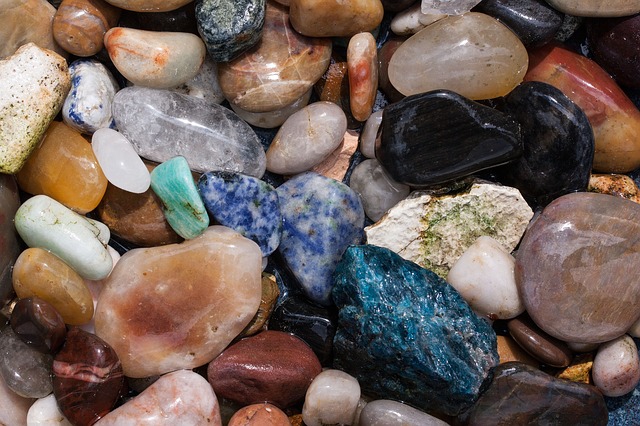
Diamonds are NOT a girl’s best friend – or so I tell my wife. And here is why. All minerals are formed from atoms and compounds that take on a certain crystalline form due to the temperature and pressure conditions
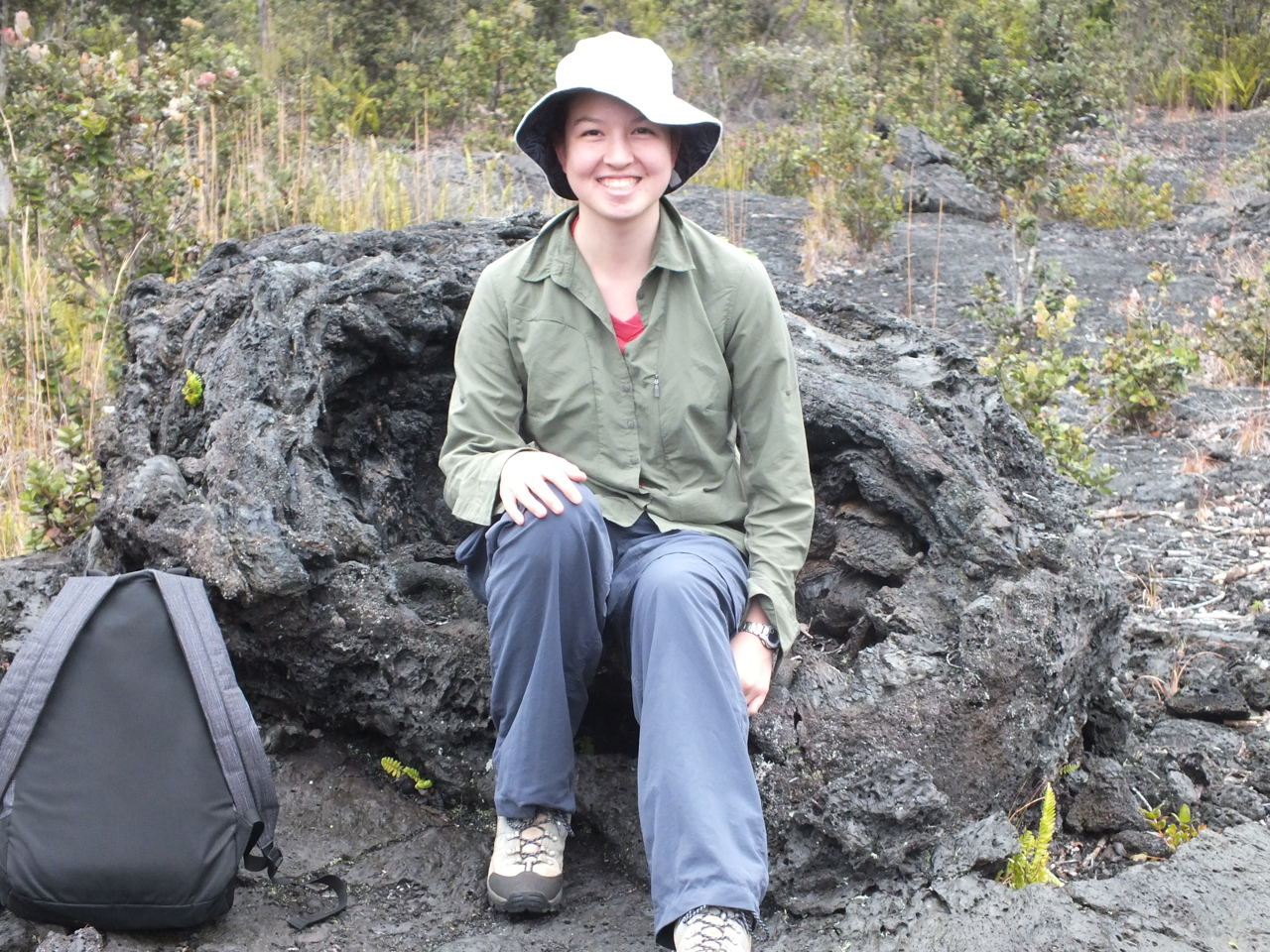
Mapping lava flows using satellite images is a wonderful activity that you can do in your classroom. In some locations, the color of the flows due to the weathering of the lava and the amount of revegetation can be
Field trips are critical. Learning Earth science in the field is as important as learning to cook in a kitchen. Why then do we expect teachers and their students to learn about the wonders of our dynamic planet from
Cleavage is an important diagnostic feature of minerals. However it is often misunderstood. And more often mistaken for another mineral property – the ability to grow a crystal face. Quartz crystal showing crystal faces growing out of a mass of
Often we have to teach about phenomenon, like an earthquake, that our students have never experienced. We can read eyewitness accounts, watch videos and share stories – but nothing beats actually feeling the ground move. Some are lucky enough
One of the reasons I fell in love with geology was finding evidence of igneous activity in the form of a dike through the sandstones where I grew up. You see, I grew up in an area where you
Gold – the metal on which many empires have grown (and withered) is a strange metal indeed. In nature it occurs as a native metal, which means that it is found almost all the time as just gold and not
An EarthCache is a special place that you can visit using GPS technology to learn more about the geology of our planet – and what is more there are over 20,000 EarthCache sites around the globe. So that means almost
How hard is a mineral? Geoscientists still use mineral hardness as a way to identify an unknown mineral. This process of using mineral hardness was perfected by a German called Mohs in the early 1800’s. Friedrich Mohs was born
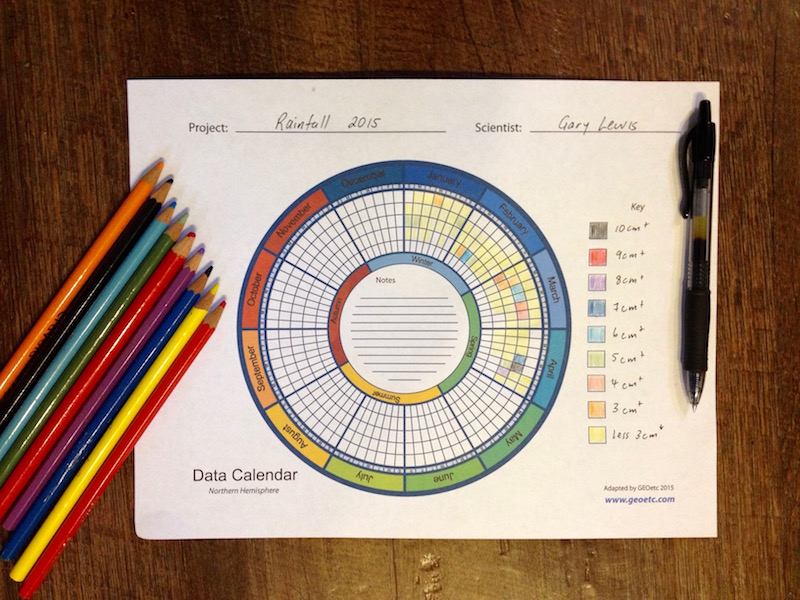
We are all looking at ways to collect and display data with our students. Most of the time the data we want to display is short term data – such as a one-lab experiment or maybe data over a weekend.