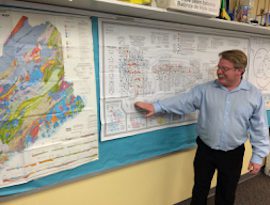
So you have been successful in having your topic selected as one of the conference posters. Good job! Presenting a poster at a scientific conference is a real art. You want to be able to attract the eye of people
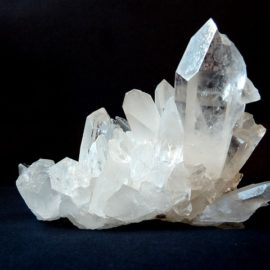
While high school students are taught about chemistry using simple examples of inorganic and organic substances, very few are exposed to the chemistry of the most abundant group of chemicals on Earth- the silicate group of minerals. Silicate minerals can
Too often scientists ignore talking to the public. They would rather spend all their “communication” time and energy talking about their science to their peers. They meet in hallowed halls and conference centers to communicate their science to their own.
Hawaii Lava Odyssey Three Full Days (4 night) Intensive Field Adventure 4-8 February 2018 – 3 full days + arrival and departure days. This three full field day (4 night) field trip on the Big Island of Hawaii will take
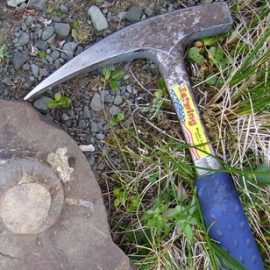
A geological hammer is often seen as an essential part of any field geologists equipment. Often called rock picks or geopicks, the geological hammer is also a symbol of our profession. And let’s face it, who doesn’t like to
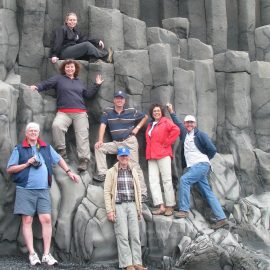
Discover Iceland – Fire and Ice on a Mid-Ocean Ridge K-12 Teachers of Science and Geography – pre-service, practicing and retired. (College/ University students are welcome to attend) July 7-13, 2019 TRIP IS FULL – A second trip has now opened
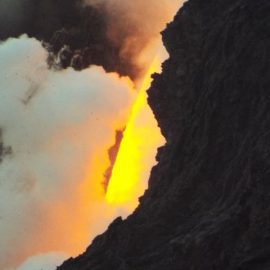
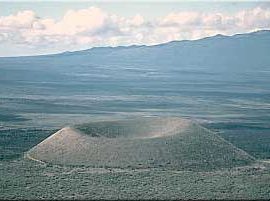
Cinder cones are volcanic features that are found at volcanic sites where there has been some form of fountaining activity. Fire Fountains are where lava has been ejected during an eruption up into the air where it cools and falls to the ground
The evidence for Plate Tectonics is very conclusive. It is a very well supported theory, and while scientific debate continues about small parts or local effects, the overall concept is accepted as good as fact. So what are the pieces
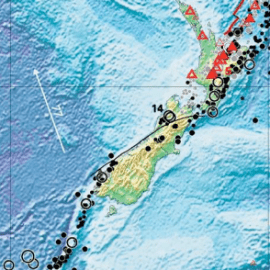
The Earth’s plates don’t just sit there. They move and interact at their boundaries – and that is what makes our planet so dynamic. The volcanoes, the earthquakes, and even climate are all related to the movement and position of
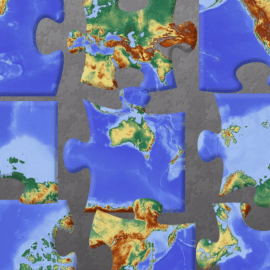
The Earth’s rocky outerlayer (the lithosphere) is broken up into around seventeen major pieces that we call tectonic plates. These plates form a jigsaw pattern around the planet with their edges interacting to cause earthquakes, volcanoes, mountain ranges and