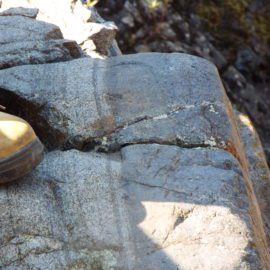
This is an activity where students listen to a 10-minute podcast on Weathering (Podcast is here) and then use what they learn to look for evidence in six photographs showing outcrops. They will find evidence for Biological, Chemical, and Physical
You can find the GEO podcast on iTunes right here. (Go on…subscribe and not miss the new episodes) Often the most misunderstood part of the tri-process weathering-erosion-deposition cycle, weathering is the critical part of how rocks are recycled. In
You can find the GEO podcast on iTunes right here. (Go on…subscribe and not miss the new episodes) Today we talk about places you can go to start collecting rocks and minerals – and they are all places close to
We are currently dealing with changes in the way we communicate with each and our students due to the COVID-19 crisis. And I hate the idea that anyone feels isolated. So let’s just grab a coffee and meet up
You can find the GEO podcast on iTunes right here. (Go on…subscribe and not miss the new episodes) Gold is an amazing metal and has been used by humans for thousands of years. But do you know the properties of
Why geology podcast – Active listening. Teacher guide Student activity Full transcript of the podcast. Have your students listen to the podcast (less than 15 mins) “Why geology and how I got into geology” and complete an activity based on
You can find the GEO podcast on iTunes right here. (Go on…subscribe and not miss the new episodes) What are earthquakes? How are they formed? What is causing the shaking? How do we record them? What should you do in
You can find this podcast on iTunes right here. The silicate minerals are the building blocks for all the rocks on Earth. They follow a system of formation and therefore classification – and in this episode, I explain the
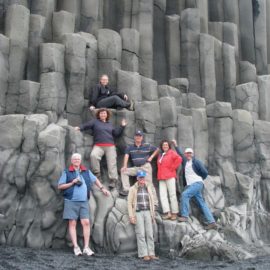
One of the most dramatic geological features found around our planet is columnar jointing formed from the cooling of molten rock. Many national parks and monuments as well as countless waterfalls and even one or two sal-called “alien landing sites”
Traditionally, when we talk about the layers of our planet we talk about the inner core, outer core, mantle, and crust. But when we talk about Plate Tectonics we have to deal with another concept – that is the lithosphere.